Cores & Tubes

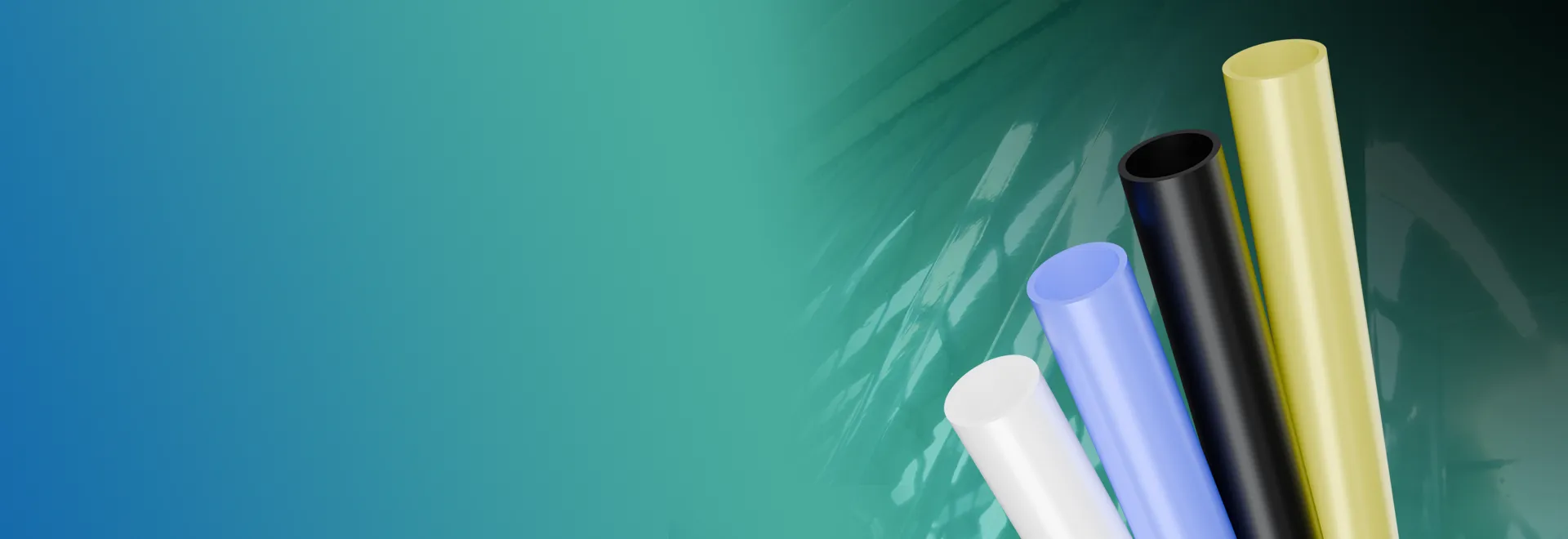
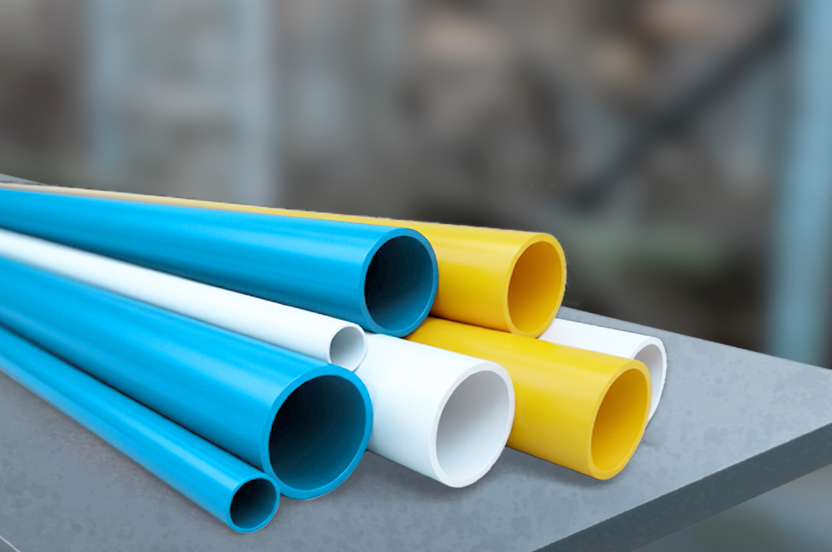
We have the capability to manufacture a huge range of cores and tubes for numerous applications.

Experienced in manufacturing Cores

For over 30 years, Copely have been manufacturing high-quality, sustainable cores and tubes for a wide range of applications from industrial and medical tapes and bandages, film manufacturing and packaging to textiles and non-woven fabric production.

Cores Specification Form


Why Pick Plastics Cores?

Plastic cores offer a durable, sustainable alternative to traditional cardboard cores, providing long-term value across a wide range of industries.

INDUSTRIES AND APPLICATIONS
Application Industry Typical

Flexible Packaging

Packaging/Food

Films, polythene, bags, wrapping
materials

Medical Films & Materials

Medical

Wound management, medical films, sterile barriers

Pharmaceutical Packaging

Pharmaceutical

Specialist films and pharmaceutical packaging

Tapes & Adhesives

Medical/Packaging

Adhesive tapes, technical tapes, coated materials

Nonwovens & Technical Textiles

Materials

Nonwoven fabrics, technical textiles, geofabrics

Geotextiles

Geotextiles

Reinforcement, drainage, stabilisation materials

Materials

High-Density Polyethylene (HDPE)

Strong, durable, and flexible with excellent impact and chemical resistance. Ideal where some pliability is required.

High-Density Polyethylene (Recycled HDPE)

A sustainable, cost-effective material made from recycled post-consumer and post-industrial plastics.

Polypropylene Homopolymer (PPH)

A tough, impact-resistant material with greater crush resistance than HDPE.

Polyproylene Copolymer (PPC)

A rigid, high-strength material with excellent chemical resistance. Can be blended with PPC for increased crush resistance.

Recycled Polypropylene (Recycled PP)

A recycled, high-rigidity material for applications requiring increased stiffness.

Sizes

Range of outer-diameter core sizes available

Search:

Plastic cores are used for winding, converting, storage and transportation of a wide range of flexible materials, including films, tapes, fabrics, nonwovens, foils, papers and geotextiles.

Plastic cores offer several advantages, including reusability, durability, moisture resistance and consistent dimensions. They can also be cleaned and reused, potentially reducing the amount of waste generated.

Yes. Plastic cores can be recycled at the end of their useful life. Their reusability can also extend their lifespan before recycling is required.

Yes. This is one of their key benefits. Plastic cores are generally more resistant to crushing, moisture and general handling damage than cardboard alternatives, allowing them to be used multiple times.

Generally, yes, although the strength depends on the diameter, wall thickness, plastic material, length and application. The correct specification can be designed around the customer’s requirements.

Customers can provide their existing core dimensions and application details so a suitable plastic core can be specified and quoted.

Typically: Internal diameter External diameter Wall thickness Core length Roll weight Required quantity Any specific core features inc. colours

Yes, colour can sometimes be used for identification, product differentiation or operational purposes. The minimum order quantities are usually higher for ” special ” colours.

The core needs to be specified correctly for the machine, shaft/chuck arrangement and weight of the material being wound.

Yes. Plastic is not susceptible to moisture in the same way as cardboard, making plastic cores particularly useful in wet, humid or outdoor environments.

Yes. The core specification can be selected according to the roll weight, winding tension and application to provide the required strength.

The initial purchase price is usually higher, but this should be considered alongside the potential for reuse, reduced damage and longer service life. The overall cost per use can therefore be more competitive.

It depends on the application and how the cores are managed. The key environmental advantages can come from reusing the core multiple times and recycling it at the end of its life, reducing the need for a new core each time.  Cardboard has resins and glues to increase the strength making some cardboard cores unsuitable […]

There isn’t a single lifespan because it depends heavily on the application, load, handling and number of reuse cycles. A correctly specified core can potentially be reused many times on average plastic cores can be used ten times more than a cardboard alternative.

Yes. Sampling is particularly useful where the exact specification needs to be tested on the customer’s machinery or with their material.

The specification or material formulation can potentially be adjusted following testing. Sampling is the opportunity to make sure the core performs correctly before moving into production quantities.

This depends on the particular core specification and production requirements. Customers can request a quotation based on their expected volumes.

Cores Specification Form

Get a quote for your bespoke cores by filling out this form.

    Don't miss out on the latest news

    Sign up to our exclusive email newsletter to get the latest news and offers from Copely.

      Copely Developments Ltd will use the information you provide on this form to be in touch with you occasionally. You can unsubscribe at any time.